What to Notice on a First Visit to an Indoor Arena
A first visit to an indoor arena is easier to manage when you can read the entrances, shared routes and seat signs before the match begins.
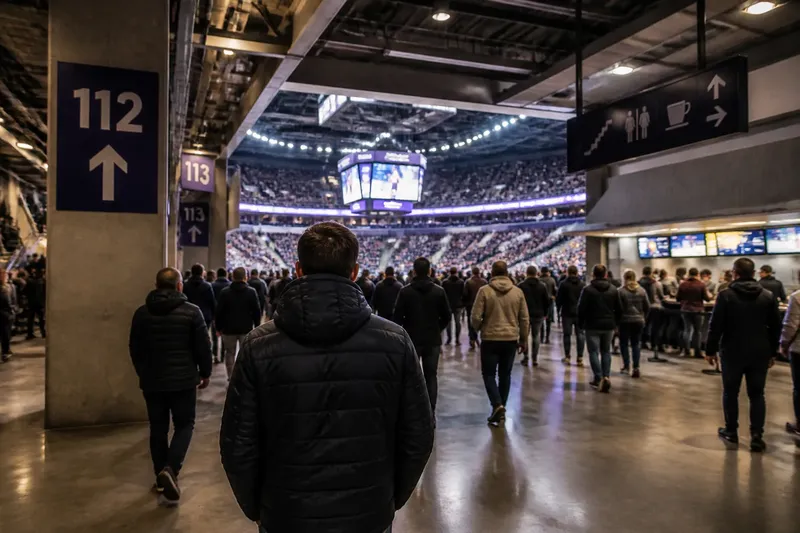
The common mistake on a first visit to an indoor arena is treating the entrance as the finish line: get through the doors, find the seat and wait for play. The cost is a confusing scramble just when you need to check your ticket, choose a route or let someone pass. A little attention to the venue’s layout makes the journey easier to read.
You need not inspect every corridor like an architectural surveyor. Notice three things: how people enter, where routes are shared, and how to find your seat and exit. Then watch the match. The building can manage without a full audit.
Approach and entry
Before entering, look at how the arena meets its surroundings. A station, car park, row of shops or open plaza will shape where people arrive from and how they gather. Signs, barriers, paving and a canopy help direct those arrivals towards the doors.
Entry is usually a sequence: an outer plaza, ticket check, bag inspection, lobby and concourse. Watch where people stop to find a ticket or speak to staff, and whether there is room to step aside after scanning. Follow the venue’s signs and staff instructions; check its guidance on tickets, bags and accessible entry before setting out.
Say you arrive from a tram stop and see two streams meet beneath one canopy. If the left-hand queue slows, people on the right may bunch where the routes merge. You can choose the less crowded side if signs and staff allow it; otherwise, follow their direction rather than trying to slip through the knot.
Shared routes
Inside, the concourse carries people towards seats, toilets, food counters, lifts and exits. Notice where visitors pause: beneath a section sign, beside a counter or near a lift. If those pauses sit at the edge, the main path stays clearer; if they spread across it, expect a slower passage.
Choose a landmark you can recognise again, such as a large section number, a distinctive column or a clearly marked stairway. Venue maps and staff are more reliable than following a crowd whose destination may differ from yours. Ramps, lifts, stairs and wider gates serve different routes; follow the marked accessible path and ask staff if the wayfinding is unclear.
Sound and seating
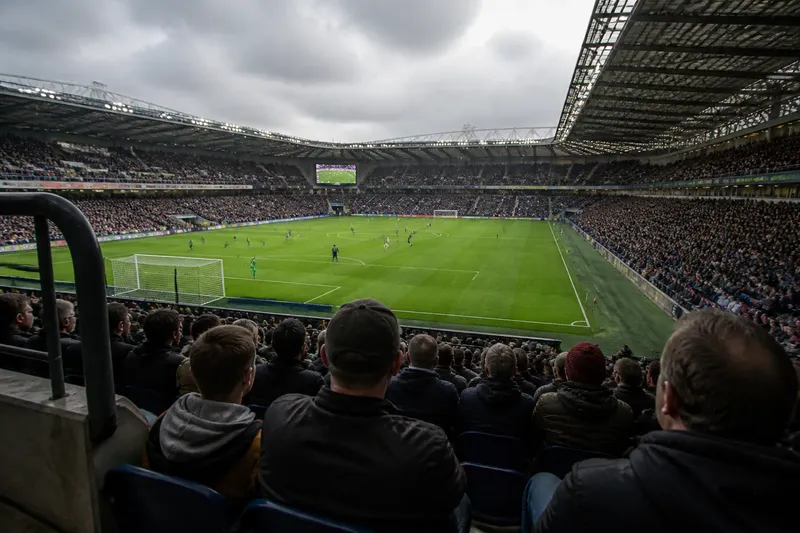
Sound changes as you move from outside to the lobby, concourse and arena bowl. Conversation becomes more enclosed, then mingles with announcements, footsteps and the crowd. A burst of cheering may reach you before the playing area comes into view.
At the bowl entrance, look for section markers, row labels and seat numbers. Arenas do not all use the same layout, so check your ticket and ask an usher if you are unsure. That is kinder to seated neighbours than walking along a row while conducting a public guessing exercise.
Take a moment to locate the nearest signed exit and a landmark that will help you find the concourse again. Then settle in. You can notice hard floors, barriers and the crowd’s changing volume without testing the acoustics by shouting; the venue has that department covered.
During the event
The arena’s movement changes with the event. Before play, people find seats and companions; during a break, some head towards concessions or facilities; as play resumes, they return through the same openings. If you need to leave your seat, follow venue guidance and avoid joining a narrow stairway during a rush simply to explore.
At the end, keep to the signed route and leave doorways clear. If you are meeting someone, agree on a specific public landmark shown on the venue map, away from the main stream. “By the doors” is a plan with too many doors and too much company.
First arena visit questions?
What should I check before arriving?
Check your ticket details and the venue’s current instructions for entry, bags and accessible routes. This helps you use the correct entrance and avoid searching for rules at the security queue.
How do I find my seat?
Use the section and row information on your ticket, then follow the matching signs. If the seat numbers or direction are unclear, ask an usher before entering the row.
Where should I meet someone after the event?
Choose a named landmark or public meeting point on the venue map, away from the main exit flow. Agree on it beforehand rather than relying on a vague location such as “outside”.
What is not worth studying?
There is little value in memorising every concession queue or counting every sound change. Those details shift with the crowd; knowing the route to your seat, a recognisable landmark and the signed exit is enough to make a first visit to an indoor arena easier to manage.